
About
Learn Rust from an ex-Apple engineer

Hi! I'm Ben. I've taught Rust to hundreds of engineers. My goal with this course is to make the highest quality videos available for learning Rust.
Everything here is 100% handcrafted including the 3D art. I don't use any AI tools.
Reference
Elements of Rust – Core Types and Traits
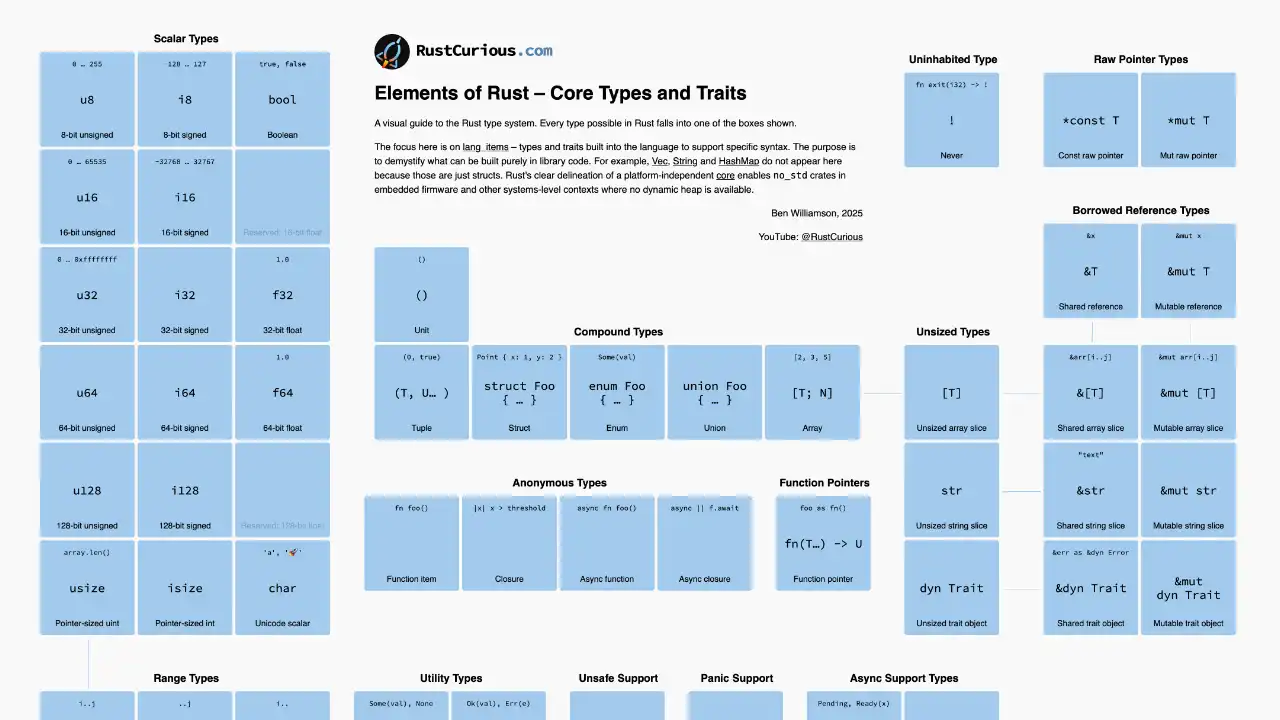
A quick-reference map of the Rust type system, with links to documentation.
This resource is referenced throughout the video course.
Course Videos
1. Why Rust is Safe
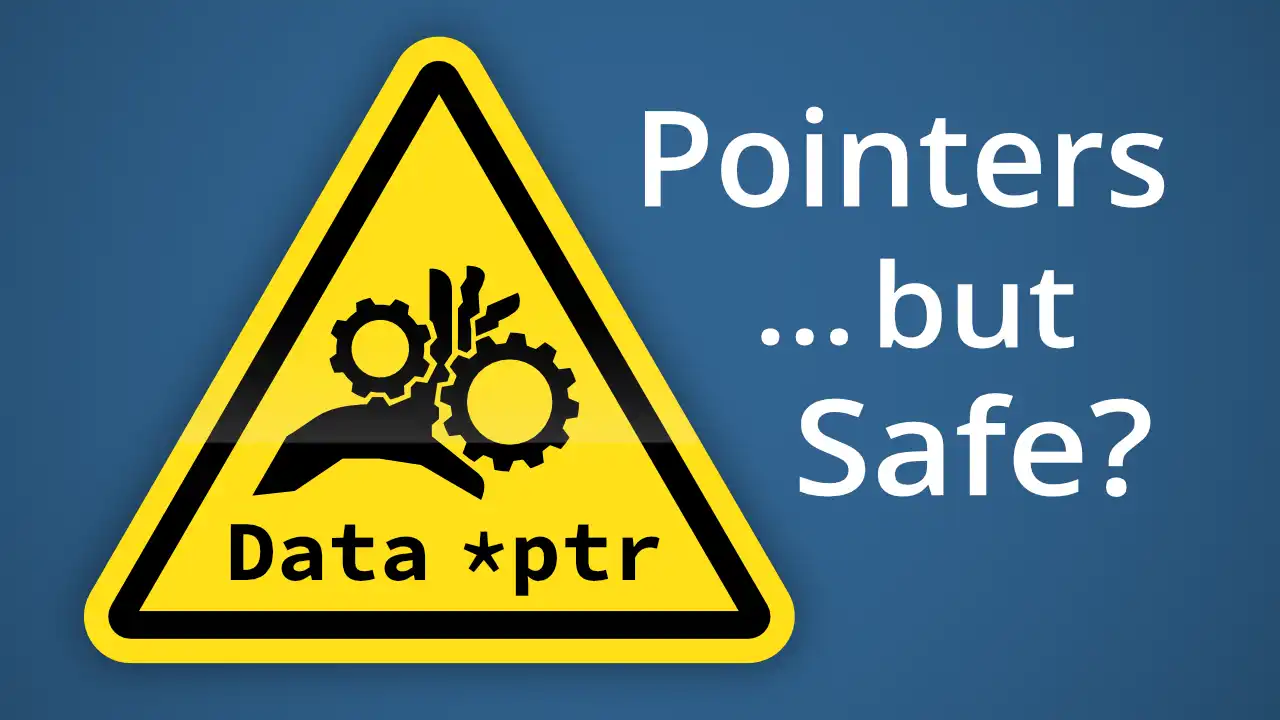
Rust is a systems language with just as much control and performance as C or C++. And yet, it guarantees memory safety and thread safety at compile-time. How is that possible?
2. Hello Rust
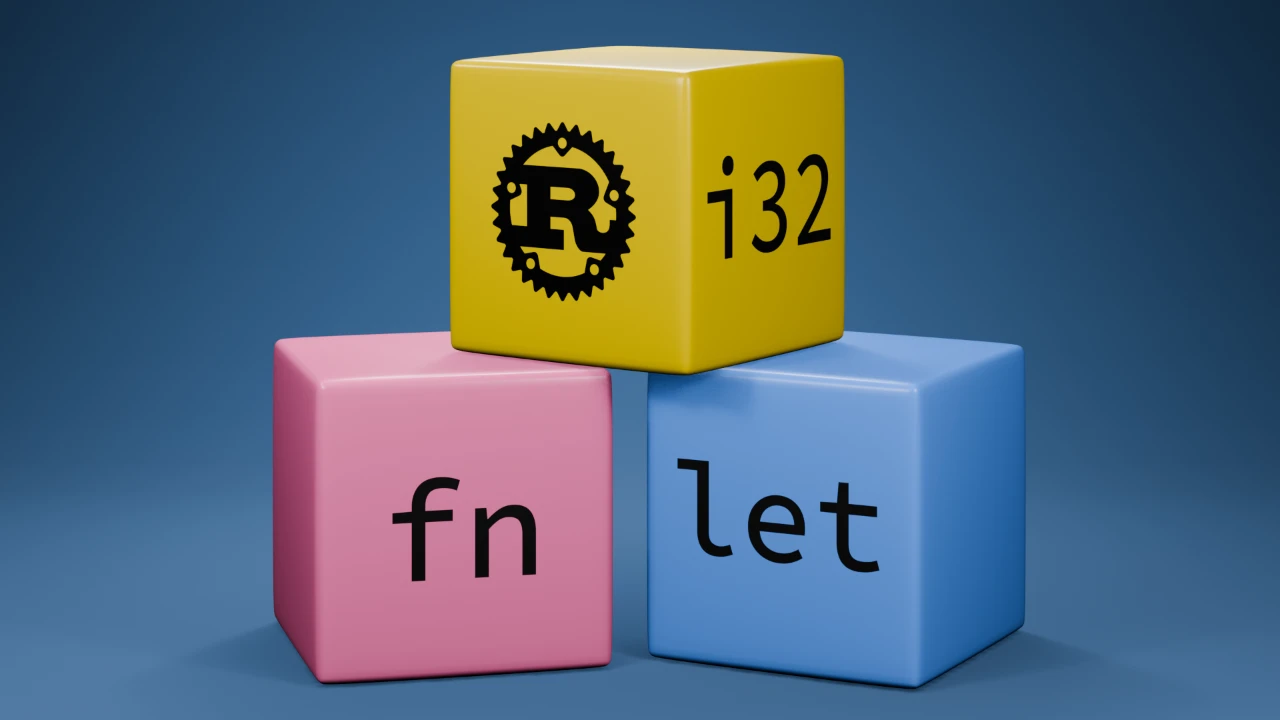
The basics of Rust syntax: functions, variables, scalar types, ranges, conditionals and loops.
3. Panic! Premium

Learn how to manage unexpected errors in Rust – division-by-zero, integer overflow, out-of-bounds array access, and failed assertions. Rust's default setting for panic handling is probably not the one you want.
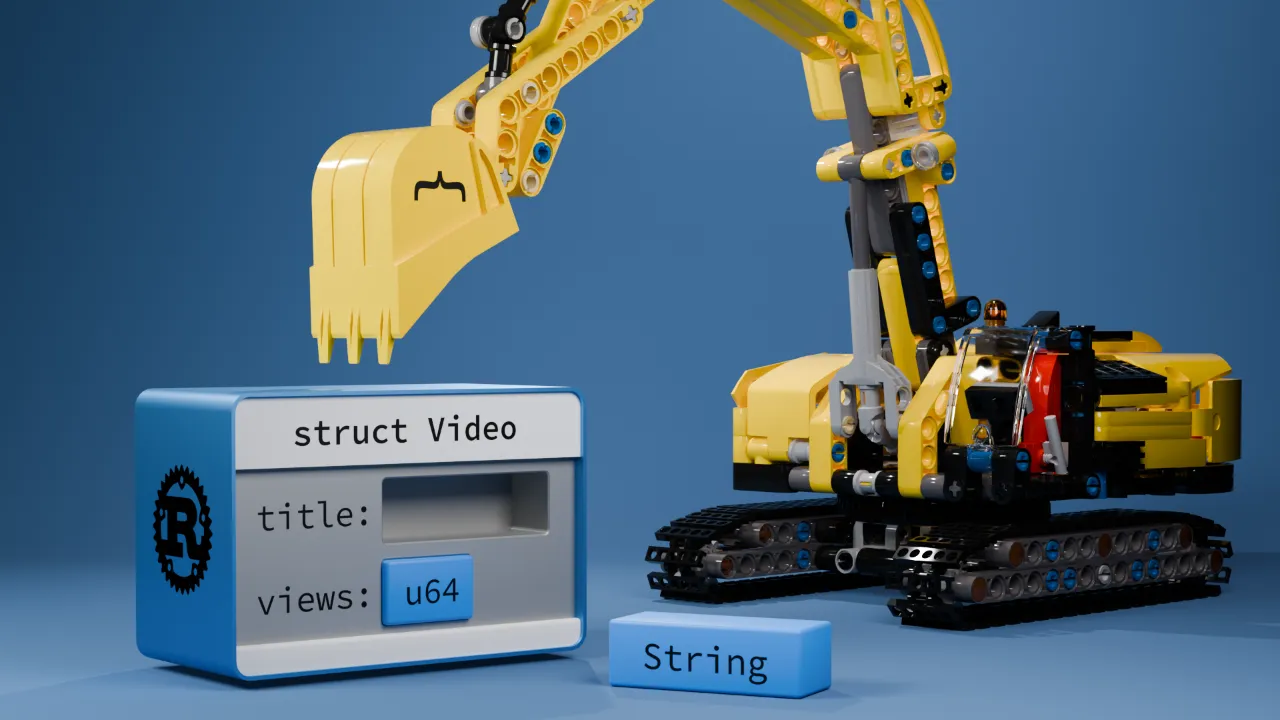
4. Structs and Resources
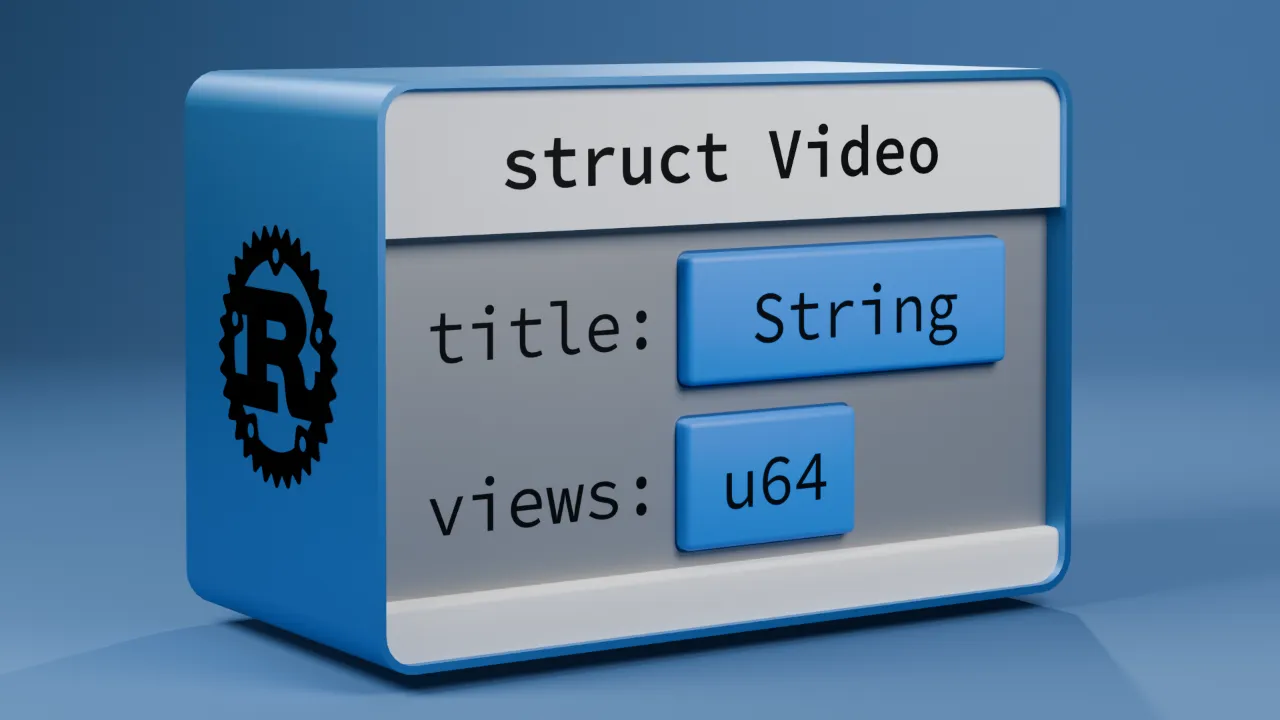
Structs can hold plain data, or they can represent unique resources with protection against copying.
5. Destruction Premium
With no garbage collector, Rust relies on deterministic destructors to manage the lifecycle of objects. Write types that safely encapsulate raw resources, reason confidently about the scopes of locks, and understand the limitations of Rust's guarantees around resource leakage.
6. Enums and Polymorphism

Enums hold named alternatives (variants) with associated data. If you've never worked in a language with strong support for tagged unions, you'll wonder how you ever lived without them.
7. Arrays and Slices
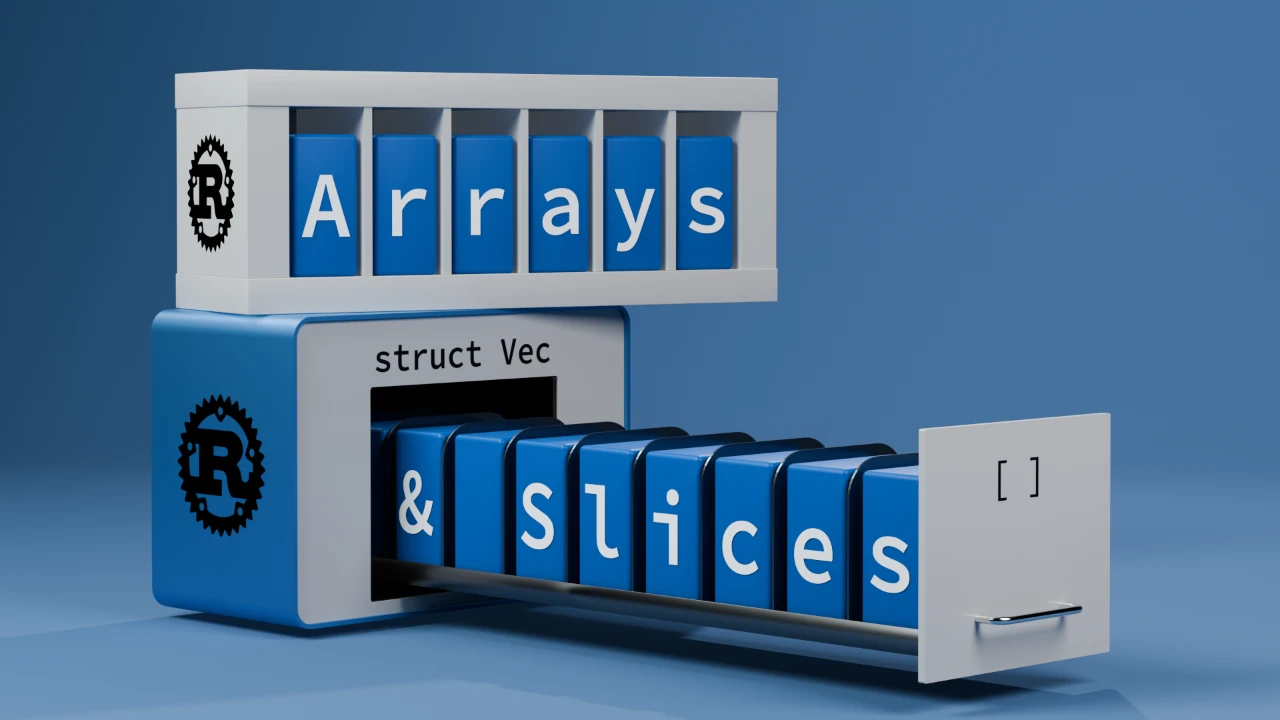
Rust has distinct types for fixed-length arrays, dynamic arrays, and slices. A slice is a borrowed reference into a sequence of elements owned by some other variable.
8. Generics and Monomorphization
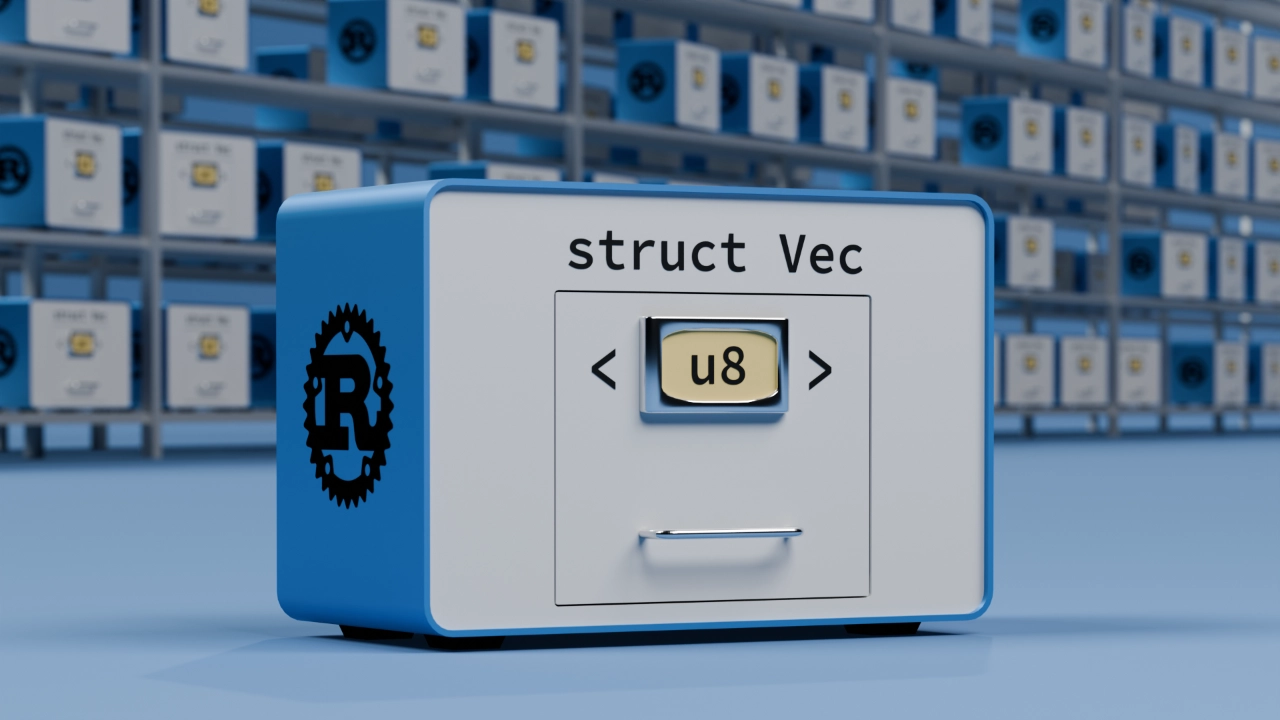
Generics allow code to be reused with many different types. Generic parameters are resolved to concrete types at compile-time.
9. Traits are Interfaces
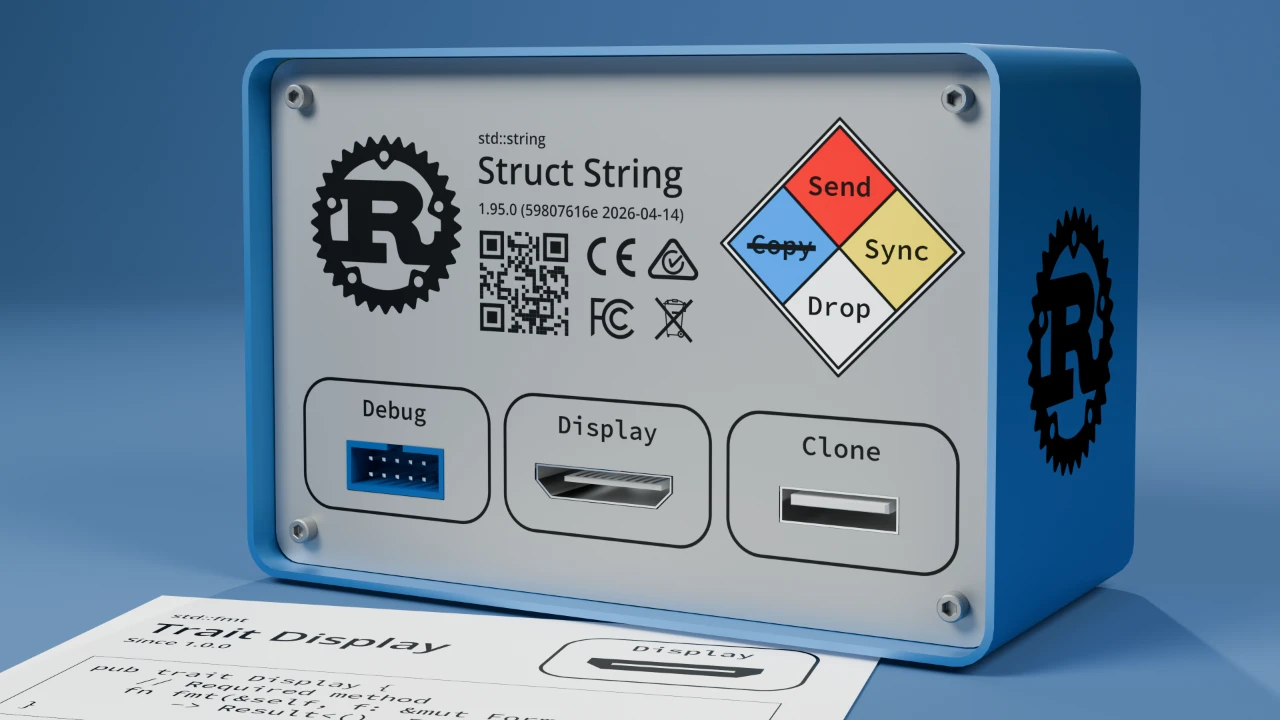
A trait specifies an interface, a capability that types can choose to implement. Trait bounds specify the capabilities required for a generic type to work with an API.
The Stack
To prepare for a deeper understanding of borrowed references, a mini-lesson about the stack, stack frames, the stack pointer, registers, memory and the instruction set.
10. Three Ways to Fix Any Borrowing Error

With a clear understanding of Rust's borrowing rules, fighting the borrow checker need not be painful.
11. Reborrowing and Rust's Invisible Lifetimes
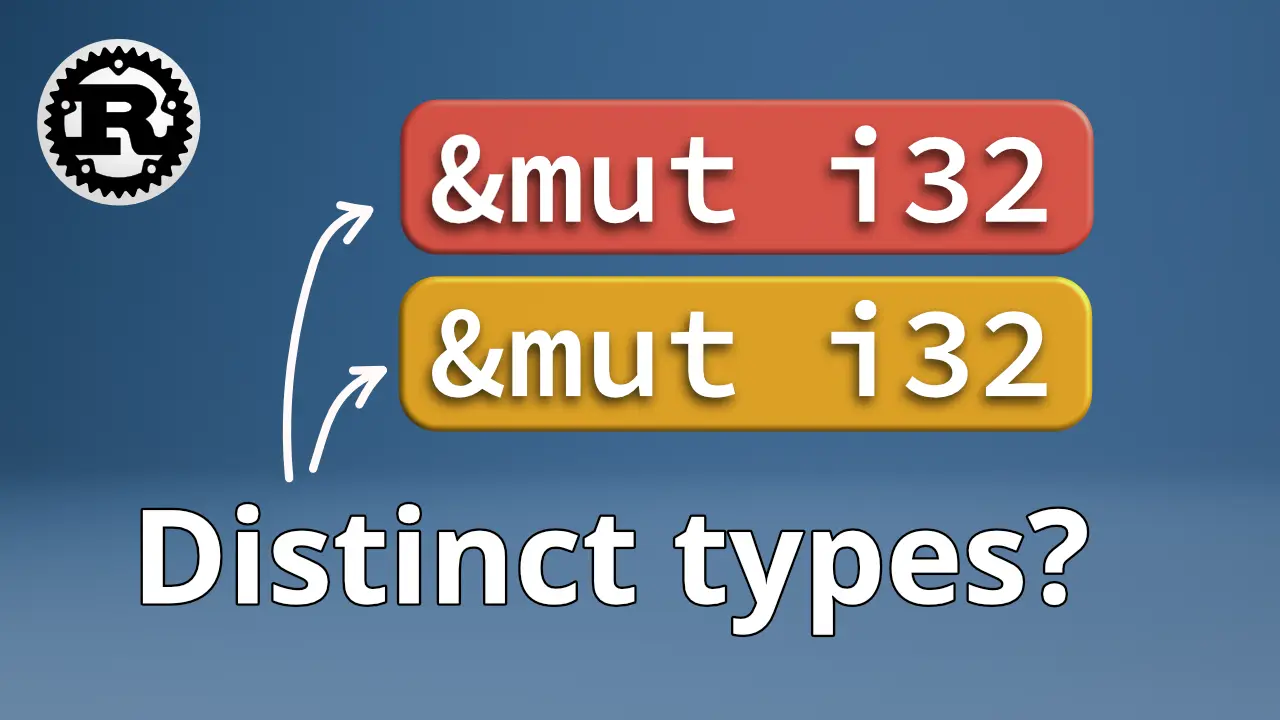
We dig further into reborrowing, to learn about the invisible lifetime information attached to every reference type.
Coming Soon: Elided Lifetimes

Learn what the compiler assumes about references returned by functions.
Advanced
Async Rust Premium
Async can enable a single host to handle a ridiculous number of concurrent connections - with an increase in complexity and some surprising footguns.
- Learn how async changes your application's interaction with the kernel
- Understand when it's worth the tradeoff
- Design to dodge the surprises
Contact
Email: contact@rustcurious.com